
Jul 29, 2024
Best Tips for Underwater Photography
Underwater photography opens up a unique world of vibrant colours, fascinating marine life, and intriguing landscapes. Capturing stunning underwater images requires a blend of technical skills and artistic vision. Whether you are a beginner or an experienced diver, these tips will help you make the most of your underwater photography adventures.
Choose the Right Equipment
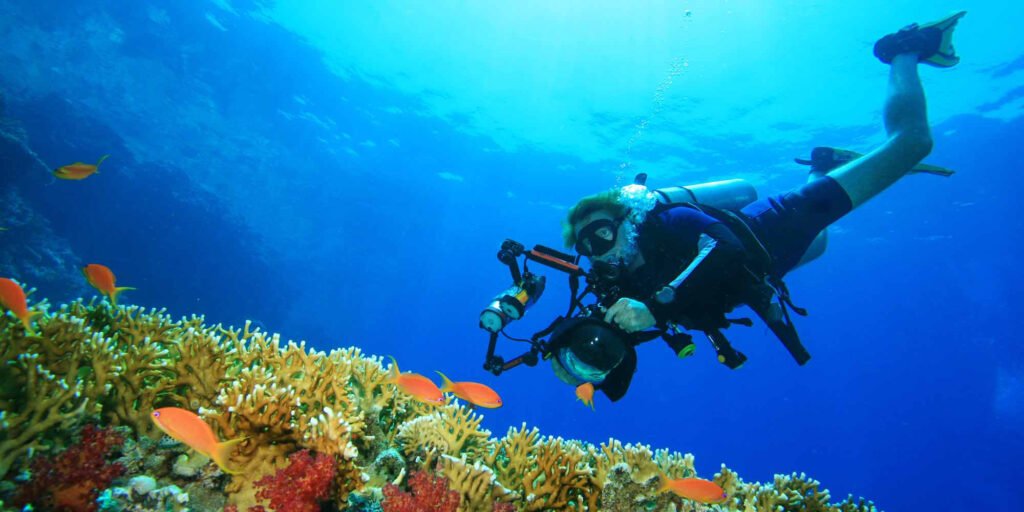
Selecting the appropriate equipment is crucial for successful underwater photography. A waterproof camera or a camera with robust underwater housing is essential. For beginners, compact underwater cameras can be a good start, while more advanced photographers might opt for DSLRs or mirrorless cameras with specialized housings. Ensure your camera setup has good lighting options, such as underwater strobes or flash units, to enhance visibility and colour depth. Investing in reliable and well-sealed housing will protect your gear from water damage and maintain optimal performance.
Master Your Camera Settings
Understanding and mastering your camera settings is vital for capturing high-quality underwater images. Start by setting your camera to manual mode to have complete control over exposure, aperture, and ISO. In underwater environments, natural light diminishes quickly, so adjust your settings accordingly. Use a lower ISO setting to reduce noise and avoid overexposure. A wider aperture (lower f-stop number) will help you achieve a shallow depth of field, highlighting your subject and creating a pleasing background blur.
Utilize Proper Lighting Techniques
Lighting plays a significant role in underwater photography. Natural light can only penetrate so far, leading to a loss of color and contrast. To counteract this, use artificial lighting such as underwater strobes or video lights. Position your lights at different angles to minimize shadows and evenly illuminate your subject. When using flash, be mindful of backscatter—tiny particles in the water that reflect light back into the camera lens. To reduce backscatter, get as close to your subject as possible and aim your lights away from the camera.
Focus on Composition
Good composition is key to creating captivating underwater photographs. Use the principles of composition, such as the rule of thirds, leading lines, and framing, to guide the viewer’s eye and create balanced images. Look for interesting subjects, such as marine life, coral formations, or underwater landscapes, and frame them effectively within your shot. Pay attention to the background and foreground elements to avoid distractions and ensure your main subject stands out.
Pay Attention to White Balance
White balance is crucial for maintaining accurate color representation in underwater photography. Due to the water’s filtering effect, colors can appear washed out or skewed. To correct this, manually adjust the white balance settings on your camera to match the underwater environment. Most cameras have preset options for underwater photography, but you can also use custom white balance settings to achieve the best color accuracy. Carrying a white balance card or reference can help calibrate your settings more precisely.
Be Patient and Respectful
Patience and respect for the underwater environment are essential for successful underwater photography. Marine life and underwater landscapes require a gentle approach to avoid disturbing the natural habitat. Approach your subjects slowly and quietly, giving them time to acclimate to your presence. Be prepared to wait for the perfect moment to capture your shot, and avoid making sudden movements that could scare away wildlife or stir up sediment.
Practice Proper Buoyancy Control
Good buoyancy control is crucial for underwater photography, as it helps maintain stability and minimize camera shake. Practice neutral buoyancy to float effortlessly and avoid touching the sea floor or coral reefs. Proper buoyancy control allows you to focus on composing your shots without struggling to maintain your position. Use your buoyancy to maneuver around your subject smoothly and avoid creating unnecessary disturbances in the water.
Post-Processing Enhancements
Post-processing is an important step in enhancing your underwater images. Use photo editing software to adjust color balance, contrast, and sharpness. Correct any exposure issues and remove backscatter or distractions from your photos. Be careful not to over-edit; aim to preserve the natural beauty of your underwater scenes while enhancing their visual appeal.
Conclusion
Mastering underwater photography involves understanding your equipment, controlling lighting and composition, and respecting the marine environment. By choosing the right gear, adjusting your camera settings, and practicing patience, you can capture stunning underwater images that showcase the beauty of the aquatic world. With these tips, you’ll be well on your way to creating breathtaking photographs that highlight the wonders of underwater life.
More Details