
Jul 3, 2024
Strategies for Capturing the Perfect Sunset Photograph

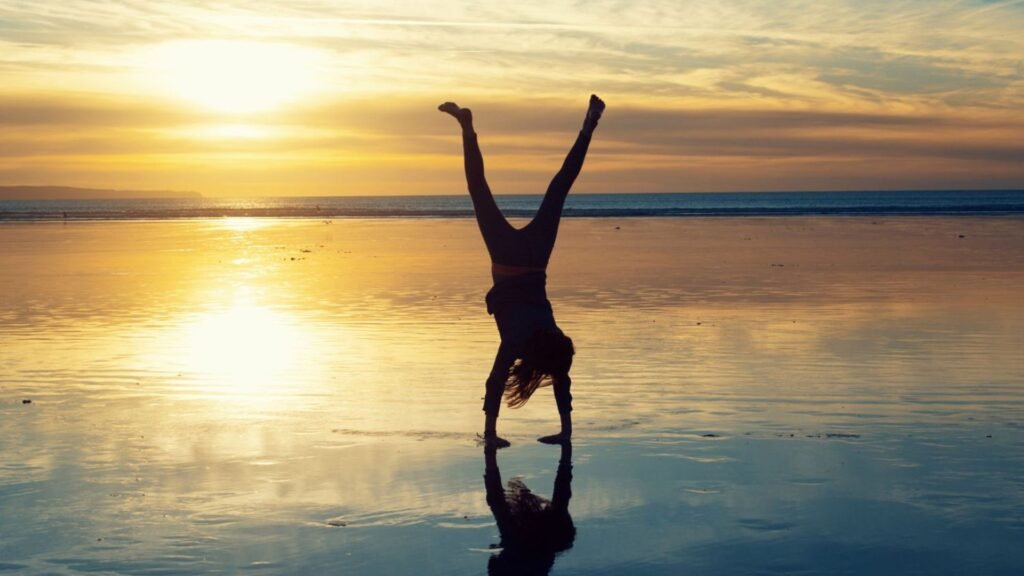
Sunset photography is a favorite among many photographers due to the stunning colors and the serene atmosphere that sunsets create. To help you capture the perfect sunset photograph, here are some essential strategies:

Capturing the Perfect Sunset Photograph

1. Timing is Key

When it comes to sunset photography, timing is everything. Arrive at your location at least 30 minutes before the sun starts to set. This will give you ample time to set up your equipment and find the best spot. Additionally, stay for a while after the sun has set, as the sky often becomes even more vibrant during the “golden hour” and “blue hour.”

2. Use a Tripod

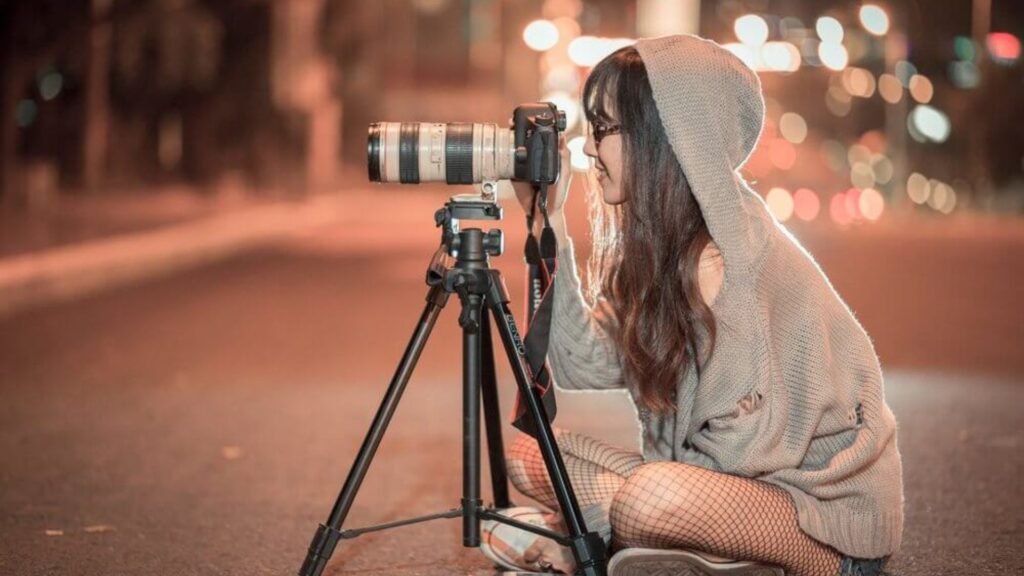
A tripod is essential for capturing sharp sunset photos, especially in low light conditions. Using a tripod will allow you to use slower shutter speeds without the risk of camera shake. This is particularly important if you are using a longer exposure to capture the movement of clouds or water.

3. Choose the Right Lens

The choice of lens can greatly impact your sunset photos. Wide-angle lenses are great for capturing the vastness of the sky and the landscape. On the other hand, a telephoto lens can help you zoom in on the sun or distant elements, adding a different perspective to your photograph.

4. Adjust Your Settings

To capture the perfect sunset photograph, you need to get your camera settings right. Here are some recommendations:

  • Aperture: Use a small aperture (high f-number) to keep most of the scene in focus. An aperture of f/8 to f/16 works well.
  • Shutter Speed: Adjust your shutter speed according to the lighting conditions. If you want to capture the movement of clouds or water, use a slower shutter speed.
  • ISO: Keep your ISO as low as possible to reduce noise in your photos. Start with an ISO of 100 and increase it only if necessary.

5. Use the Rule of Thirds

The rule of thirds is a basic photography principle that can help you create well-balanced and interesting photos. Imagine your frame is divided into nine equal parts by two horizontal and two vertical lines. Place the horizon along the top or bottom third line, rather than in the middle, to create a more dynamic composition.

6. Incorporate Foreground Interest

Adding elements in the foreground can make your sunset photos more compelling. Look for interesting silhouettes, such as trees, rocks, or people, to include in your shot. These elements can provide a sense of scale and depth to your photograph.

7. Experiment with Exposure Bracketing

Exposure bracketing involves taking multiple shots at different exposure levels. This technique is useful for capturing the wide range of light during a sunset. You can later merge these shots in post-processing to create a high dynamic range (HDR) image, which retains detail in both the highlights and shadows.

8. Play with Reflections

Reflections can add a magical touch to your sunset photos. Look for bodies of water, such as lakes, rivers, or even puddles, to capture the reflection of the colorful sky. Position yourself at an angle where the reflection is clearly visible and includes both the sky and the foreground elements.

9. Use Filters

Filters can enhance your sunset photography. A graduated neutral density (ND) filter can help balance the exposure between the bright sky and the darker foreground. Additionally, a polarizing filter can reduce glare and enhance the colors of the sunset.

10. Post-Processing

Post-processing is the final step in creating the perfect sunset photograph. Use editing software to enhance the colors, adjust the contrast, and bring out the details in your photo. Be careful not to overdo it, as subtle adjustments often yield the best results.

Conclusion

Capturing the perfect sunset photograph requires a combination of preparation, technique, and creativity. By following these strategies, you’ll be well on your way to creating stunning sunset photos that capture the beauty of this magical time of day. Remember to practice, experiment, and most importantly, enjoy the process. Happy shooting!

More Details
Jul 3, 2024
How to Use Leading Lines in Photography

Leading lines in photography are powerful tools that can transform a simple image into a captivating visual story. These lines guide the viewer’s eye through the photograph, creating a sense of depth, movement, and focus. Understanding how to effectively use leading lines in photography can elevate your work and make your images more engaging. Let’s explore the techniques and tips for mastering this compositional element.

Understanding Leading Lines

Leading lines are natural or man-made elements within a scene that draw the viewer’s eye along a path, leading them toward a focal point. These lines can be straight, curved, diagonal, or even zigzag, and they can be found in various forms such as roads, rivers, fences, or shadows. The key to using leading lines in photography is to identify these elements and position them strategically within your composition to enhance the overall impact of the image.

Identifying Leading Lines in Your Environment

The first step to incorporating leading lines in photography is to become aware of your surroundings and identify potential lines in your environment. This requires a keen eye and a bit of creativity. Look for natural lines like rivers, shorelines, and tree branches, or man-made lines such as pathways, bridges, and architectural elements. Once you start noticing these lines, you’ll begin to see opportunities for dynamic compositions everywhere.

Using Leading Lines to Create Depth

One of the most effective ways to use leading lines in photography is to create a sense of depth in your images. By positioning the lines in the foreground and leading them into the background, you can draw the viewer’s eye through the scene, giving a three-dimensional feel to a two-dimensional photograph. This technique works particularly well in landscape photography, where roads, trails, and rivers can guide the viewer through the expansive scene.

Guiding the Viewer’s Eye to the Subject

Leading lines in photography are also great for directing attention to your main subject. By placing your subject at the point where the lines converge or intersect, you naturally draw the viewer’s eye to that focal point. This can be especially powerful in portrait photography, where lines like stair railings, fences, or pathways can lead directly to the person’s face, making them the undisputed star of the image.

Creating Movement and Energy

In addition to guiding the viewer’s eye and creating depth, leading lines can introduce a sense of movement and energy to your photographs. Diagonal and curved lines, in particular, are effective at conveying motion and dynamism. For instance, the sweeping curve of a winding road or the diagonal lines of a staircase can add a sense of flow and direction, making your images feel more alive and engaging.

Balancing Composition with Leading Lines

While leading lines in photography are powerful, it’s important to use them thoughtfully to maintain balance in your composition. Avoid overcrowding your image with too many lines, as this can create visual chaos and distract from the main subject. Instead, focus on one or two strong lines that effectively lead the viewer’s eye and complement the overall composition. Experiment with different angles and perspectives to find the most harmonious arrangement.

Experimenting with Different Perspectives

Don’t be afraid to experiment with various perspectives to make the most of leading lines in photography. Changing your viewpoint can dramatically alter the impact of the lines in your image. Try shooting from a low angle to make the lines appear more dominant and imposing, or from a high angle to create a different sense of depth and direction. By exploring different perspectives, you can discover unique and compelling ways to incorporate leading lines into your compositions.

Conclusion

Incorporating leading lines in photography is a technique that can greatly enhance the visual appeal of your images. By understanding how to identify and use these lines, you can guide the viewer’s eye, create depth, and add a sense of movement to your photographs. Remember to experiment with different environments, perspectives, and compositions to fully harness the power of leading lines. With practice and creativity, you’ll be able to create stunning photographs that captivate and engage your audience. So, grab your camera and start exploring the world of leading lines in photography – your images will thank you for it!

More Details
Jul 3, 2024
Tips for Photographing Waterfalls

Photographing waterfalls can result in stunning images that capture the beauty and power of nature. To create compelling waterfall photographs, you need to consider composition, lighting, and camera settings. Here are some essential tips to help you take beautiful waterfall photographs.

Use a Tripod

A tripod is crucial for waterfall photography, especially when using slow shutter speeds to create a smooth, silky effect on the water. A stable tripod ensures that your camera remains steady, preventing any blur caused by camera shake. Make sure to position your tripod securely, especially if you’re on uneven or slippery terrain.

Slow Shutter Speed

To capture the flowing motion of the water, use a slow shutter speed. Start with a shutter speed of around 1/4 to 1/2 second and adjust as needed. Slower speeds like 1-2 seconds can create an even silkier effect. Experiment with different speeds to find the one that best suits the look you want to achieve.

Use a Low ISO

Keep your ISO setting low to minimize noise in your images. An ISO of 100 or 200 is ideal for capturing clear, detailed photos. Low ISO settings also help you achieve longer exposure times, which are essential for creating that smooth, flowing water effect.

Aperture Settings

Use a small aperture (higher f-stop number) to achieve a greater depth of field, ensuring that both the foreground and background are in sharp focus. An aperture of f/8 to f/16 is typically suitable for waterfall photography. However, in low-light conditions, you might need to open up the aperture slightly to allow more light in.

Neutral Density Filters

A neutral density (ND) filter is a valuable tool for waterfall photography. It reduces the amount of light entering the lens, allowing you to use slower shutter speeds even in bright conditions. ND filters come in various strengths, so choose one that suits the lighting conditions of your scene.

Polarizing Filter

A polarizing filter can enhance your waterfall photos by reducing glare and reflections from wet surfaces and enhancing the colors of foliage and water. It also helps to increase the contrast between the sky and clouds. Rotate the polarizer to see the effect before taking the shot.

Compose Your Shot

Pay careful attention to the composition of your waterfall photographs. Use the rule of thirds to place the waterfall off-center, creating a more balanced and dynamic image. Include interesting foreground elements like rocks, foliage, or flowing water to add depth and context to your shot.

Watch the Light

Lighting plays a significant role in waterfall photography. Overcast days are often ideal because the diffused light reduces harsh shadows and highlights. Early morning or late afternoon light can also create beautiful, soft lighting. Avoid shooting in harsh midday sunlight, which can create overly bright and dark areas.

Conclusion

By following these tips, you can capture stunning waterfall photographs that showcase the dynamic beauty of flowing water and the surrounding landscape. Patience, practice, and a keen eye for composition and light are key to mastering waterfall photography.

More Details
Jul 3, 2024
Best Drones for Aerial Photography

Aerial photography has seen a significant transformation with the introduction of drones, offering photographers unparalleled perspectives and creative opportunities. Selecting the right drone for aerial photography involves considering factors like camera quality, flight stability, battery life, and additional features that enhance the overall shooting experience. This comprehensive guide explores some of the top drones available today, each tailored to deliver stunning aerial photos and videos.

DJI Mavic 3

The DJI Mavic 3 has established itself as a powerhouse in the realm of aerial photography drones. Known for its exceptional camera capabilities, the Mavic 3 boasts a large 4/3 CMOS sensor capable of capturing 20MP photos and 5.1K video at 50fps. This drone excels in low-light conditions, thanks to its enhanced HDR capabilities and improved autofocus system. The inclusion of OcuSync 3.0 ensures reliable transmission up to 15km, ideal for long-distance flights and uninterrupted connectivity. With its impressive flight performance and robust build quality, the DJI Mavic 3 is a top choice for professionals and enthusiasts alike seeking unparalleled image quality in aerial photography.

DJI Air 2S

Combining portability with high-resolution imaging, the DJI Air 2S is another standout in the drone market for aerial photography. Equipped with a 1-inch CMOS sensor capable of capturing 20MP photos and 5.4K video at 30fps, the Air 2S delivers detailed and vibrant imagery. Its intelligent HDR mode and SmartPhoto feature optimize image quality in various lighting conditions, ensuring sharpness and clarity in every shot. With obstacle sensors on all sides and advanced AI capabilities, including FocusTrack and ActiveTrack 4.0, the DJI Air 2S offers exceptional ease of use and creative flexibility for capturing dynamic aerial perspectives.

Autel Robotics Evo II Pro

The Autel Robotics Evo II Pro stands out with its impressive 6K video resolution and 1-inch sensor, delivering professional-grade aerial photography and videography. The drone’s adjustable aperture from f/2.8 to f/11 allows for precise control over depth of field, catering to diverse shooting scenarios from landscapes to close-ups. Its extended flight time of up to 40 minutes and omnidirectional obstacle sensing ensure reliable performance and safety during flights. With its compact yet robust design and superior image quality, the Evo II Pro is favoured by professionals for its versatility and high-end features.

Skydio 2

Renowned for its advanced obstacle avoidance and tracking capabilities, the Skydio 2 is designed for capturing dynamic aerial footage in complex environments. Equipped with six 4K navigation cameras and Skydio’s proprietary AI algorithms, this drone can navigate dense forests, urban settings, and challenging terrains with unparalleled precision. The Skydio 2 excels in autonomous flight modes, including Beacon and Follow, which allow users to capture cinematic shots effortlessly. With its 12MP camera capable of recording 4K video at 60fps and HDR support, the Skydio 2 offers impressive image quality and stability, making it a top choice for action sports and adventure photography.

Parrot Anafi USA

The Parrot Anafi USA is celebrated for its compact design, thermal imaging capabilities, and robust performance in various aerial photography applications. This drone features a 32x zoom with 4K HDR video recording, providing detailed and clear visuals from a distance. Its thermal camera, with a temperature range from -10°C to +400°C, makes it suitable for search and rescue missions, building inspections, and environmental monitoring. The Anafi USA’s lightweight yet durable construction, along with its extended flight time of up to 32 minutes, ensures reliable performance in demanding conditions. With its foldable design and user-friendly interface, the Parrot Anafi USA is favoured by professionals seeking flexibility and efficiency in aerial imaging tasks.

DJI Mini 2

Ideal for beginners and travellers, the DJI Mini 2 combines portability with impressive image quality in a compact drone package. With a weight of just 249 grams, the Mini 2 is exempt from many drone regulations, making it accessible for recreational use in various locations. Despite its small size, the Mini 2 features a 12MP camera capable of recording 4K video at 30fps, ensuring sharp and vibrant aerial shots. Its three-axis gimbal stabilization system and intelligent flight modes, such as QuickShots and Panorama, enhance creativity and ease of use for capturing memorable aerial photographs. The DJI Mini 2’s affordability and performance make it an excellent choice for hobbyists and casual photographers looking to explore aerial photography without compromising on quality.

Autel Robotics Dragonfish

Designed for commercial applications, the Autel Robotics Dragonfish excels in aerial mapping, inspections, and high-resolution photography. This fixed-wing drone features a modular payload system, accommodating various cameras and sensors tailored to specific industry needs. The Dragonfish’s endurance of up to 120 minutes and long-range capabilities enable extensive coverage of large areas, making it suitable for infrastructure inspections and agricultural surveys. Its robust design, combined with advanced flight planning software and autonomous flight modes, ensures precise and efficient operation in professional settings. With its focus on reliability, versatility, and high-performance imaging capabilities, the Autel Robotics Dragonfish is preferred by professionals for critical missions requiring detailed aerial data collection.

Conclusion

In conclusion, choosing the best drone for aerial photography depends on your specific requirements, budget, and intended use. Whether you’re a professional photographer capturing commercial imagery or an enthusiast exploring creative aerial perspectives, the drones listed above offer a range of options to suit different needs and preferences. From high-resolution cameras and intelligent flight modes to advanced obstacle avoidance and long flight times, these drones represent the pinnacle of aerial photography technology. Explore their capabilities, compare features, and select the drone that best aligns with your creative vision and technical demands to elevate your aerial photography endeavours.

More Details
Jul 3, 2024
Tips for Photographing Babies

Photographing babies can be a delightful yet challenging task. Capturing their innocence, expressions, and tiny details requires patience, creativity, and the right techniques. Here are some essential tips to help you take beautiful baby photographs.

Ensure Safety First

Safety is paramount when photographing babies. Make sure the environment is safe and comfortable. Avoid using props or positions that could be hazardous. Always have an assistant or parent nearby to help with positioning and to ensure the baby’s safety.

Use Natural Light

Natural light is soft and flattering for baby photography. Position the baby near a window or another source of natural light. Avoid direct sunlight, which can create harsh shadows. If you need additional light, use a reflector to bounce light onto the baby rather than using a flash.

Choose the Right Time

Timing is crucial when photographing babies. The best time for a photo session is usually after the baby has been fed and had a nap. A well-rested and fed baby is more likely to be happy and cooperative during the shoot. Plan your sessions around the baby’s schedule.

Keep the Environment Warm

Babies can get cold quickly, especially when undressed for newborn photography. Keep the room warm and have soft blankets and wraps on hand to keep the baby comfortable. A cozy environment helps keep the baby calm and content.

Capture Candid Moments

While posed shots are lovely, candid moments often capture the baby’s personality and natural expressions. Be ready to snap photos of the baby yawning, smiling, or interacting with parents. These spontaneous moments make for precious and authentic photographs.

Focus on the Details

Babies grow quickly, and capturing their tiny details can be incredibly meaningful. Focus on close-ups of their hands, feet, eyelashes, and other small features. These detailed shots can be beautifully incorporated into a photo album or collage.

Use Soft and Neutral Colors

Soft and neutral colors work well for baby photography. They create a timeless and gentle look that keeps the focus on the baby. Use soft blankets, wraps, and props in pastel or neutral shades. Avoid bright colors and busy patterns that can distract from the baby.

Get Down to Their Level

Photographing babies from their eye level can create more engaging and intimate images. Get down on the floor or use a low-angle perspective to capture their expressions and interactions. This approach makes the photos feel more personal and connected.

Be Patient and Flexible

Patience is key when photographing babies. They can be unpredictable, and you may need to take breaks for feeding, changing, or soothing. Be flexible and go with the flow, adapting to the baby’s needs and mood. A relaxed atmosphere will help you capture the best moments.

Use Props Wisely

Props can add charm to baby photographs, but they should be used sparingly and thoughtfully. Choose simple props like soft toys, blankets, or baskets that complement the baby without overwhelming the scene. Ensure all props are safe and comfortable for the baby.

Experiment with Angles and Perspectives

Don’t be afraid to experiment with different angles and perspectives. Capture the baby from above, from the side, or close up to create a variety of interesting shots. Different perspectives can add depth and creativity to your photos.

Capture Interactions with Parents

Including parents in the photos can add warmth and emotion to your baby photography. Capture moments of parents holding, cuddling, or playing with the baby. These interactions can create beautiful and heartfelt images that families will treasure.

Post-Process with Care

Post-processing can enhance your baby photographs, but it should be done with care. Use editing software to adjust exposure, contrast, and colors gently. Remove any minor blemishes or distractions while maintaining the baby’s natural appearance. Keep the edits subtle and natural.

Plan for Short Sessions

Babies have limited attention spans, so plan for shorter photo sessions. It’s better to have a few short, successful sessions than one long, stressful one. Be efficient with your time and take breaks as needed to keep the baby happy and comfortable.

Communicate with the Parents

Communicate with the parents before and during the photo session. Discuss their preferences, any specific shots they want, and their baby’s routine. Keeping an open line of communication helps ensure everyone is on the same page and contributes to a smooth and enjoyable experience.

Conclusion

By following these tips, you can capture beautiful, memorable photographs of babies that families will cherish for years to come. Patience, creativity, and a gentle approach are key to successful baby photography.

More Details
Jul 3, 2024
Tips for Low Light Photography Without Flash

Low light photography without flash can be challenging but also incredibly rewarding. Capturing stunning photos in dim conditions requires a bit of skill and some know-how. In this article, we’ll share the best tips for low light photography without flash, helping you take beautiful pictures even in the darkest settings.

Low Light Photography Without Flash

1. Use a Wide Aperture

Let in More Light

First and foremost, using a wide aperture (low f-stop number) allows more light to enter your camera. This is crucial in low light conditions. Lenses with apertures of f/1.8 or f/2.8 are ideal for these situations. A wider aperture also creates a shallow depth of field, which can make your subject stand out against a blurry background.

2. Increase ISO Sensitivity

Boost Your Camera’s Sensitivity

Next, increasing the ISO sensitivity on your camera helps capture more light. However, higher ISO settings can introduce noise (graininess) into your photos. Modern cameras handle high ISO settings better than older models, but it’s still important to find a balance. Start with an ISO of 800 and adjust as needed, depending on the light and your camera’s performance.

3. Slow Down the Shutter Speed

Allow More Light Over Time

Slowing down your shutter speed allows more light to hit the camera sensor over a longer period. This can be very effective in low light situations. However, slow shutter speeds can result in blurry images if there’s any movement. To avoid this, use a tripod to keep your camera steady, especially for shutter speeds slower than 1/60th of a second.

4. Use a Tripod

Stabilize Your Camera

Using a tripod is essential for low light photography without flash. It stabilizes your camera, allowing you to use slower shutter speeds without introducing blur from hand movements. If you don’t have a tripod, find a stable surface to rest your camera on, such as a table or a wall.

5. Utilize Image Stabilization

Reduce Camera Shake

Many modern cameras and lenses come with image stabilization (IS) or vibration reduction (VR) technology. This feature helps reduce camera shake, allowing you to shoot at slower shutter speeds without blurring your images. Make sure to enable this feature if your equipment supports it.

6. Shoot in RAW Format

Capture More Details

Shooting in RAW format rather than JPEG gives you more flexibility in post-processing. RAW files retain more detail and information, which can be crucial when editing photos taken in low light. You can adjust the exposure, brightness, and noise reduction more effectively with RAW files.

7. Find the Light

Seek Out Available Light Sources

Look for natural or artificial light sources to help illuminate your subject. Streetlights, candles, and even the moon can provide enough light to create interesting and moody photos. Position your subject near these light sources to take advantage of the available light.

8. Use Manual Focus

Ensure Sharp Focus

Autofocus can struggle in low light conditions. Switching to manual focus gives you greater control and ensures your subject is sharp. Use your camera’s focus assist features, such as focus peaking or magnification, to help you achieve precise focus.

9. Experiment with White Balance

Get the Right Color Balance

Low light conditions can sometimes result in unusual color casts. Experimenting with your camera’s white balance settings can help you achieve more accurate colors. Try different presets, such as tungsten or fluorescent, or adjust the white balance manually to match the lighting conditions.

10. Practice Long Exposure Photography

Create Stunning Effects

Long exposure photography can produce stunning results in low light. By keeping the shutter open for several seconds or even minutes, you can capture light trails, smooth water, and star-filled skies. Use a tripod and a remote shutter release or the camera’s self-timer to avoid camera shake during long exposures.

11. Post-Processing Techniques

Enhance Your Photos

Finally, post-processing is an essential part of low light photography. Use software like Adobe Lightroom or Photoshop to adjust exposure, contrast, and noise reduction. Pay special attention to reducing noise while preserving detail. Post-processing can turn a good low light photo into a great one.

Conclusion

In conclusion, low light photography without flash is all about understanding how to make the most of the available light and your camera’s settings. By using a wide aperture, increasing ISO sensitivity, slowing down the shutter speed, and utilizing a tripod, you can capture stunning photos in dim conditions. Additionally, finding light sources, using manual focus, and experimenting with white balance can further enhance your images. Don’t forget to shoot in RAW and take advantage of post-processing techniques to bring out the best in your photos. With practice and patience, you’ll be able to master low light photography and create beautiful images in any lighting situation.

More Details
Jul 3, 2024
Tips for Mastering Black and White Photography

Black and white photography is a timeless art form that emphasizes light, shadow, and texture. It strips away the distraction of color, allowing the viewer to focus on the composition and emotional impact of the image. In this article, we’ll share the best tips for mastering black and white photography, helping you create stunning monochrome images that capture the essence of your subjects.

Black and White Photography

1. Understand the Power of Contrast

Use Contrast to Enhance Your Images

First and foremost, contrast is a crucial element in black and white photography. Without color, the interplay between light and dark areas becomes more pronounced. High contrast can create dramatic and powerful images, while low contrast can convey a softer, more subtle mood. Experiment with different levels of contrast to see how they affect the overall feel of your photos.

2. Focus on Composition

Compose Your Shots Thoughtfully

Next, composition is key in black and white photography. Since there are no colors to guide the viewer’s eye, the arrangement of elements within the frame becomes even more important. Use techniques like the rule of thirds, leading lines, and symmetry to create balanced and engaging compositions. Additionally, pay attention to the shapes, patterns, and textures in your scene, as these can add depth and interest to your photos.

3. Look for Texture

Highlight the Details

Texture is another essential element in black and white photography. Without color, textures become more prominent and can add a tactile quality to your images. Look for surfaces with interesting textures, such as rough stone, smooth metal, or delicate fabric. Capturing these details can make your photos more compelling and visually rich.

4. Use Light and Shadow

Play with Light and Shadow

Light and shadow play a significant role in black and white photography. The way light falls on your subject can create striking contrasts and highlight specific areas of interest. Experiment with different lighting conditions, such as harsh sunlight, soft diffused light, and low-light environments, to see how they affect the mood and atmosphere of your photos. Shadows can add depth and dimension, so don’t be afraid to use them creatively.

5. Shoot in RAW

Capture the Full Range of Tones

Shooting in RAW format is highly recommended for black and white photography. RAW files retain more detail and provide a greater range of tonal information compared to JPEGs. This allows you to have more flexibility in post-processing, where you can adjust the exposure, contrast, and other settings to achieve the desired look for your monochrome images.

6. Use Filters

Enhance Your Photos with Filters

Filters can be valuable tools in black and white photography. Red, yellow, green, and blue filters can affect how colors are converted to shades of gray, altering the overall tone and contrast of your images. For example, a red filter can darken blue skies and make clouds stand out more, while a green filter can lighten foliage and enhance landscape shots. Experiment with different filters to see how they impact your photos.

7. Embrace Post-Processing

Edit Your Photos to Perfection

Post-processing is an essential step in creating stunning black and white images. Use software like Adobe Lightroom or Photoshop to fine-tune your photos. Adjust the exposure, contrast, highlights, and shadows to bring out the best in your images. Additionally, you can use dodge and burn techniques to selectively lighten or darken specific areas, adding depth and dimension to your photos.

8. Experiment with Different Subjects

Find Inspiration in Various Subjects

Black and white photography is versatile and can be applied to a wide range of subjects. Experiment with different genres such as portraiture, landscapes, street photography, and still life. Each subject presents unique challenges and opportunities for creative expression. For example, portrait photography can focus on the emotional expression of the subject, while landscape photography can highlight the interplay of light and shadow in natural settings.

9. Study the Masters

Learn from the Greats

Studying the work of renowned black and white photographers can provide valuable insights and inspiration. Photographers like Ansel Adams, Henri Cartier-Bresson, and Dorothea Lange are known for their mastery of monochrome imagery. Analyze their compositions, use of light and shadow, and subject matter to understand what makes their photos compelling. Incorporate some of their techniques into your own work to develop your style.

10. Be Patient and Persistent

Practice and Refine Your Skills

Finally, mastering black and white photography requires patience and persistence. Practice regularly, experiment with different techniques, and learn from your mistakes. Review your photos critically and seek feedback from others to improve your skills. Over time, you’ll develop a keen eye for what works in black and white and be able to create stunning monochrome images with confidence.

Conclusion

In conclusion, black and white photography is a powerful medium that allows you to focus on the essential elements of your subject. By understanding the importance of contrast, composition, texture, light, and shadow, you can create compelling and visually striking images. Use filters, shoot in RAW, and embrace post-processing to enhance your photos. Experiment with different subjects and study the work of masters to find inspiration and refine your skills. With patience and persistence, you’ll be able to master black and white photography and capture stunning monochrome images that stand the test of time.

More Details
Jul 3, 2024
How to Create Stunning HDR Photography

HDR photography, or High Dynamic Range photography, allows you to capture a wide range of tones in a single image, from deep shadows to bright highlights. Mastering HDR techniques can elevate your photography to new heights, revealing details and colours that traditional photography might miss. This guide will walk you through the steps to create stunning HDR photos that impress viewers with their depth and clarity.

Understanding HDR Photography Basics

To create stunning HDR photography, it’s essential to understand the basics of HDR and why it’s beneficial for certain scenes:

HDR merges multiple exposures of the same scene, typically three or more, to create a single image with balanced exposure throughout.

The technique is ideal for scenes with high contrast between light and shadow, such as landscapes with a bright sky and dark foreground.

By blending different exposures, HDR enhances details in both shadows and highlights, resulting in a more realistic and visually appealing image.

Choosing the Right Equipment

While HDR photography can be achieved with various cameras, having the right equipment can streamline the process and improve results:

Use a DSLR or mirrorless camera capable of bracketing exposures automatically. This feature simplifies capturing multiple exposures needed for HDR.

A sturdy tripod is essential to keep your camera stable during the bracketing process, ensuring alignment of images for seamless blending.

Consider a wide-angle lens for landscapes or a standard zoom lens for versatility in capturing different scenes.

Capturing HDR Images: Step-by-Step Guide

Follow these steps to capture stunning HDR images:

  1. Set Your Camera to Bracketing Mode: Enable auto-bracketing on your camera to take multiple exposures automatically. Adjust the exposure compensation to control the range of exposures.
  2. Choose Your Scene: Select a scene with high contrast, such as a landscape with bright skies and shaded foregrounds.
  3. Compose Your Shot: Frame your shot and ensure your camera is securely mounted on a tripod.
  4. Capture Bracketed Exposures: Press the shutter button, and let the camera capture a series of exposures at different brightness levels.
  5. Post-Processing HDR Images

Once you’ve captured your bracketed exposures, follow these steps to create stunning HDR images:

  1. Merge Exposures: Use HDR software like Adobe Photoshop or Lightroom to merge your bracketed exposures into a single HDR image. Adjust settings for tone mapping to achieve the desired look.
  2. Adjust Tone Mapping: Fine-tune settings such as exposure, contrast, highlights, shadows, and saturation to enhance details and colors while maintaining a natural appearance.
  3. Refine Your Image: Use selective adjustments to target specific areas of the image, balancing tones and enhancing details further.
  4. Final Touches: Apply sharpening and noise reduction as needed to polish your HDR photo for a professional finish.

Tips for Stunning HDR Photography

To create truly stunning HDR photography, consider these tips:

  1. Natural Look: Aim for a natural-looking HDR image that preserves details without appearing overly processed.
  2. Use HDR Sparingly: Not every scene benefits from HDR. Choose scenes with significant contrast to make the most of HDR techniques.
  3. Experiment with Different Scenes: HDR can be applied to various genres, from landscapes to architecture. Experiment with different subjects to hone your HDR skills.
  4. Practice Patience: HDR photography requires careful planning and post-processing. Take your time to capture and refine each HDR image.

Conclusion

In conclusion, HDR photography opens up new creative possibilities by capturing a wider range of tones and details than traditional photography. By understanding the basics, choosing the right equipment, and following a systematic approach to capture and process HDR images, you can create stunning photographs that captivate viewers with their clarity and depth. Embrace HDR as a tool to enhance your photography skills and showcase scenes in all their dynamic glory.

More Details
Jul 3, 2024
Top Photography Competitions to Enter

Participating in photography competitions is a fantastic way to gain recognition, improve your skills, and connect with a community of fellow photographers. Here are some of the top photography competitions to consider entering:

Sony World Photography Awards

The Sony World Photography Awards is one of the most prestigious and widely recognized photography competitions in the world. It offers multiple categories, including Professional, Open, Youth, and Student, making it accessible to photographers at all levels. Winners receive cash prizes, Sony camera equipment, and global exposure through exhibitions and publications.

National Geographic Photo Contest

National Geographic is synonymous with outstanding photography. The National Geographic Photo Contest invites photographers to submit their best work in categories like Wildlife, People, and Places. Winning images are featured in National Geographic magazine and on their website, providing incredible exposure to a global audience.

The Epson International Pano Awards

The Epson International Pano Awards celebrate the art of panoramic photography. It’s open to amateur and professional photographers alike, with categories for nature, architecture, and more. Winners receive cash prizes, Epson printing equipment, and their work is showcased in exhibitions and online galleries.

Wildlife Photographer of the Year

Run by the Natural History Museum in London, the Wildlife Photographer of the Year competition is one of the most respected wildlife photography contests. It highlights the beauty and diversity of the natural world. Winners receive cash prizes, and their work is displayed in a high-profile exhibition and published in a commemorative book.

International Photography Awards (IPA)

The International Photography Awards (IPA) recognizes excellence in photography across a wide range of categories, from fine art and architecture to editorial and advertising. Winners receive cash prizes, the Lucie Trophy, and are featured in the annual IPA book and exhibition.

Travel Photographer of the Year (TPOTY)

The Travel Photographer of the Year (TPOTY) competition is perfect for photographers with a passion for travel and exploration. It features categories such as Cultures, Journeys & Adventures, and a special Young Travel Photographer of the Year award. Prizes include cash, travel opportunities, and global exposure.

Magnum Photography Awards

Hosted by LensCulture, the Magnum Photography Awards honor visionary photography in various genres, including documentary, street, and fine art. Winners receive cash awards, publication in LensCulture, and opportunities for portfolio reviews and exhibitions with Magnum Photos.

Siena International Photo Awards (SIPA)

The Siena International Photo Awards (SIPA) is an international competition that celebrates excellence in photography across diverse categories like Nature, Sports, Architecture, and more. Winning images are showcased in Siena, Italy, and winners receive prizes including cash and photo gear.

Fine Art Photography Awards (FAPA)

The Fine Art Photography Awards (FAPA) recognize outstanding artistic achievements in photography. Categories include Abstract, Architecture, Conceptual, and more. Winners receive cash prizes, certificates, and their work is featured in the FAPA annual book and online gallery.

Street Photography Awards

The Street Photography Awards, organized by LensCulture, focus on the art of street photography. It’s open to photographers worldwide and celebrates compelling, candid images captured in public spaces. Winners receive cash prizes, publication in LensCulture, and opportunities for exhibitions and portfolio reviews.

Monochrome Photography Awards

The Monochrome Photography Awards celebrate black and white photography in various categories, including Landscapes, Portraits, and Wildlife. Winners receive cash prizes, certificates, and are published in the annual Monochrome Photography Awards book.

International Landscape Photographer of the Year

This competition is dedicated to landscape photography and is open to professionals and amateurs alike. Winners receive cash prizes, trophies, and their work is featured in a commemorative book and online galleries.

Portrait of Humanity

Organized by 1854 Media and the British Journal of Photography, Portrait of Humanity is a global competition celebrating the diversity of human life through powerful portraiture. Winners are featured in an international touring exhibition and receive cash prizes and publication opportunities.

Agora Awards

The Agora Awards is a global competition that allows photographers to submit their best images in various categories, including Travel, Nature, and Lifestyle. Winners receive cash prizes and worldwide recognition through the Agora app and website.

Comedy Wildlife Photography Awards

The Comedy Wildlife Photography Awards celebrate the lighter side of wildlife photography. It’s open to photographers worldwide and aims to promote wildlife conservation through humor. Winners receive cash prizes, photography gear, and their images are featured in an annual book and exhibition.

Conclusion

Entering these competitions can provide significant exposure, professional recognition, and opportunities to showcase your work to a global audience. Whether you’re an amateur or a seasoned professional, participating in these contests can be a rewarding experience that helps you grow as a photographer.

More Details
Jul 3, 2024
Tips for Shooting Stunning Architecture Photography

Architecture photography is a fascinating genre that allows you to capture the beauty and intricacies of buildings and structures. Whether you’re shooting historic landmarks or modern skyscrapers, there are key techniques and tips that can help you take stunning architecture photos. In this article, we’ll explore the best tips for shooting stunning architecture photography, helping you elevate your skills and capture breathtaking images.

Shooting Stunning Architecture Photography

1. Use the Right Equipment

Choosing the Right Camera and Lens

First and foremost, having the right equipment is essential for capturing high-quality architecture photos. A DSLR or mirrorless camera with a high resolution is ideal, as it allows you to capture fine details. Additionally, using a wide-angle lens can help you capture the grandeur of large buildings, while a tilt-shift lens can correct perspective distortion, making your images look more professional.

2. Find the Best Angles

Experiment with Different Perspectives

Next, finding the right angles is crucial in architecture photography. Instead of shooting from eye level, try different perspectives such as low angles or high viewpoints. For instance, shooting from a low angle can make a building appear more imposing, while a high viewpoint can provide a unique perspective of the structure within its surroundings.

3. Pay Attention to Lighting

Use Natural Light to Your Advantage

Lighting plays a significant role in architecture photography. Therefore, it’s important to shoot at the right time of day. Early morning or late afternoon light, also known as the golden hour, can add a warm and soft glow to your photos, highlighting the textures and details of the building. Additionally, shooting at night can create dramatic effects, especially if the building is well-lit.

4. Focus on Details

Capture the Intricacies of the Structure

While it’s essential to capture the entire building, focusing on the details can add depth to your photography. Architectural details such as ornate carvings, unique textures, and interesting patterns can make your photos more engaging. So, don’t forget to take close-up shots that highlight these elements.

5. Use Leading Lines

Guide the Viewer’s Eye

Using leading lines is a powerful technique in architecture photography. Lines such as roads, pathways, or even the edges of the building can guide the viewer’s eye towards the main subject. This creates a sense of depth and makes your photos more dynamic.

6. Include Human Elements

Add Scale and Context

Incorporating human elements in your architecture photos can add scale and context. For example, including a person walking by a building can give a sense of the structure’s size. Additionally, capturing people interacting with the architecture can add a narrative element to your photos.

7. Post-Processing Tips

Enhance Your Photos

Post-processing is an essential step in creating stunning architecture photos. Using software like Adobe Lightroom or Photoshop, you can enhance the colors, contrast, and sharpness of your images. Moreover, correcting perspective distortion and removing any distractions can make your photos look more polished and professional.

8. Explore Different Styles

Experiment with Various Techniques

Architecture photography is diverse, and experimenting with different styles can help you develop your unique approach. For instance, you can try black and white photography to emphasize shapes and textures, or use long exposure techniques to capture light trails and create a sense of motion.

9. Understand the Building’s History

Research Before Shooting

Understanding the history and significance of the building can provide context and inspiration for your photography. Researching the architectural style, the architect, and the building’s purpose can help you capture its essence more effectively. Additionally, this knowledge can guide you in highlighting specific features that are historically or architecturally significant.

10. Be Patient and Persistent

Practice and Experiment

Finally, patience and persistence are key to mastering architecture photography. Don’t be afraid to revisit the same location multiple times to capture it under different lighting conditions and from various angles. Moreover, continually experimenting with new techniques and learning from your experiences will help you improve your skills over time.

Conclusion

In conclusion, shooting stunning architecture photography involves a combination of the right equipment, thoughtful composition, and a keen eye for detail. By using these tips, you can capture the beauty and intricacies of buildings in a way that truly stands out. Remember to experiment with different perspectives, pay attention to lighting, and use post-processing to enhance your images. With practice and persistence, you’ll be able to create breathtaking architecture photos that showcase the magnificence of the structures you photograph.

More Details

Introduction

Donavan Freberg is a rare creative talent whose work bridges photography, voice acting, and advertising with a unique blend of passion and expertise. His career spans decades and mediums, making him a storyteller who connects deeply with audiences through images and voice alike. Whether behind the camera lens or behind the microphone, Donavan brings authenticity and insight to everything he creates. This site offers a glimpse into his multifaceted world—a place where artistry meets experience and personal vision meets professional excellence.

Creativity runs in Donavan’s family. As the son of the legendary Stan Freberg, a pioneer in satirical advertising and entertainment, Donavan was raised surrounded by bold ideas and sharp wit. Donavan did not only succeed his father, rather he also made it better. He forged his own path, building a creative legacy grounded in innovation and originality. His work carries forward the spirit of fearless storytelling while adding a fresh voice shaped by years of hands-on experience.

In the realm of photography, Donavan’s eye for detail and emotion sets him apart. His portraits do more than capture appearances—they reveal character and story. Donavan has photographed a range of notable individuals, including tech industry leaders like Snapchat’s CEO Evan Spiegel. His images have been featured in respected publications such as Forbes and Los Angeles Magazine, showcasing his ability to blend technical skill with artistic vision. Each photograph is crafted to tell a story, inviting viewers to see the subject from a new perspective.

Donavan’s impact is not limited to visual art. Most people will be able to capture the voice of the Encyclopedia Britannica. These memorable spots became a defining part of pop culture, thanks to Donavan’s engaging delivery and charismatic presence. His voice acting career adds yet another layer to his creative identity—one that has left a lasting impression on advertising and entertainment audiences alike.

Beyond photography and voice work, Donavan brings a deep understanding of advertising and storytelling. His background in this field gives him a unique advantage: he knows how to craft messages that resonate and connect. Whether developing a campaign or creating a portrait, he approaches each project with a focus on clear communication and meaningful impact. His work reflects a seamless blend of creativity and strategy, always with the goal of telling stories that matter.

Donavan’s talents have earned him recognition from major media outlets, cementing his reputation as a trusted and innovative creator. Forbes, Los Angeles Magazine, and Mashable are among the platforms that have featured his work, highlighting his ability to influence and inspire across multiple creative disciplines. This recognition is a testament to the quality, originality, and relevance of his contributions to art and media.

At the heart of Donavan Freberg’s work is a commitment to authenticity and connection. His photography, voice acting, and advertising projects all reflect his desire to tell real stories with clarity and emotion. This site invites you to explore that world—to discover the breadth of his talents, the depth of his experience, and the passion that drives his craft. Whether you are here to view his images, hear his voice, or learn about his creative journey, you’ll find a reflection of a true artist who continues to shape how stories are told.

Photography

Donavan Freberg’s photography is a powerful extension of his storytelling ability. With a keen eye for detail and an intuitive sense of mood, he captures moments that reveal deeper truths about his subjects. His approach goes beyond simply taking pictures — each photo is thoughtfully composed to convey personality, emotion, and story. Whether photographing a high-profile executive or an everyday individual, Donavan’s work invites viewers to connect on a more personal level.

Over the years, Donavan has worked with a variety of notable clients, including influential figures such as Evan Spiegel, CEO of Snapchat. His experience in capturing business leaders highlights his ability to blend professionalism with artistic creativity. The resulting portraits showcase not just the person’s image but also their vision and character. This skill makes Donavan a sought-after photographer for clients who want their portraits to do more than just look good—they want them to speak.

Donavan’s photography style is both classic and contemporary. He values natural lighting and authentic expressions, favoring images that feel genuine rather than overly staged. His work has been featured in prestigious publications such as Forbes and Los Angeles Magazine, which have praised his talent for capturing compelling visuals that complement strong narratives. These features have helped establish Donavan as a respected voice in the world of portrait photography.

In addition to formal portraits, Donavan’s portfolio includes a wide range of subjects and styles. From editorial shoots to creative projects, his photography reflects versatility and a commitment to quality. His understanding of composition, color, and light allows him to adapt to different environments and client needs, making every project unique and impactful.

For Donavan, photography is more than a profession—it’s a way to connect with people and tell their stories in a visual language. His images are crafted with care, reflecting both the subject’s individuality and the story they wish to share. This dedication to authenticity and excellence is evident in every frame he produces, making his work stand out in a crowded field.

Voice Acting

Donavan Freberg’s voice acting career is as unforgettable as it is iconic. His work behind the microphone began at a young age, but his natural charisma and sharp delivery made a lasting impression right from the start. Many remember him as the voice and face of the famous Encyclopedia Britannica commercials from the late 1980s and early 1990s. These witty and informative ads became cultural touchstones, turning Donavan into a household name.

Voice acting requires more than just reading lines—it involves timing, tone, and strategic delivery to truly connect with an audience. Much like refining a vocal performance, successful gameplay in CasinoRoo real money online roulette also demands focus, decision-making, and a keen sense of timing. Both worlds reward thoughtful choices and the ability to stay composed under pressure, showcasing how strategic thinking spans across creative and entertainment industries.

The Voice That Defined a Generation

What made those commercials so memorable was Donavan’s voice—clear, confident, and filled with personality. His ability to balance information with humor gave the spots a unique energy that set them apart from anything else on television at the time. The campaign ran for years and became one of the most recognizable advertising efforts of the decade. It also showed the power of voice acting to shape how people feel about a product, service, or brand.

While many child actors fade from the spotlight, Donavan’s voice only grew stronger over time. He continued developing his craft with dedication and precision, moving into new projects across different genres and media. His voice has since been featured in radio spots, animations, documentaries, commercials, and more. Each time, he brings the same clarity, timing, and emotional intelligence that made his early work so successful.

Donavan Freberg, known as the voice that defined a generation, continues to channel that same creativity into delivering compelling solutions across branding, marketing, and design. His approach combines storytelling with strategy, resonating with audiences in powerful ways. For those who appreciate engaging experiences both professionally and personally, exploring options like casinosophus online casino offers a fun and secure avenue to unwind and enjoy your favorite games after a productive day.

A Voice for Every Story

Donavan’s voice is versatile. When it comes to the tone of his voice, it all depends on the project at hand. You can find him witty, trustworthy, sharp and calm depending on what he is working on. This flexibility has allowed him to work with a wide range of clients and projects, from playful commercials to serious campaigns. No matter the role, he knows how to connect with the listener in a meaningful way. That skill comes not just from talent but from years of experience and a deep respect for the storytelling process.

What truly sets Donavan apart in voice acting is his understanding of how voice supports narrative. He doesn’t just read scripts — he interprets them. He has become an expert in recognising emotions, from the pace to the rhythm that will bring the words to life. This approach adds depth and impact to everything he voices, making the message more engaging and memorable.

Donovan Freberg is truly a voice for every story—his work as a comedian, writer, and actor has left a lasting imprint on American culture. Whether through his iconic commercials, satirical sketches, or heartfelt narration, his ability to convey emotion and humor is unmatched. As you immerse yourself in his creative journey, take a moment to unwind with something equally engaging—Find out more about the exciting world of online scratch cards and enjoy a bit of fun between the lines of his many stories.

A Lasting Influence

Donavan’s contributions to voice acting have been recognized by audiences and media alike. Mashable, among other outlets, has highlighted his role in shaping advertising’s golden era of smart, character-driven spots. His voice is part of a cultural memory for many, yet he continues to evolve and explore new directions in his craft.

Whether voicing a brand or telling a story, Donavan Freberg continues to leave a lasting impression—one word at a time.

As we reflect on the lasting influence of great performers and storytellers, it's clear that their ability to captivate and inspire spans mediums and generations. Just as timeless talent leaves a mark, so too does the pursuit of engaging experiences. Whether you’re revisiting legendary moments or seeking fresh excitement, you can enjoy the thrill of strategic play through online baccarat, where real money wins and immersive gameplay continue the legacy of memorable entertainment.

Advertising and Creative Strategy

Donavan Freberg doesn’t just work in advertising — he understands it inside and out. Growing up in a home where creativity and communication were part of daily life, he learned early on how powerful a strong message can be. When it comes to advertising, the name Stan Freberg can not be left behind. But Donavan did not rely on that legacy alone. Instead, he built his own career by blending bold ideas with smart strategy.

In the world of advertising and creative strategy, it's all about delivering bold ideas and unforgettable experiences that resonate with your audience. Just as a powerful campaign captivates and inspires, stepping into the world of high roller casinos offers a similarly immersive journey—where luxury, excitement, and high stakes combine to create moments that leave a lasting impression. Both realms thrive on precision, innovation, and the thrill of reaching for something greater.

From Concept to Connection

What makes Donavan’s approach to advertising unique is his focus on connection. He knows that good advertising is not just about selling, it’s about telling a story that speaks to people. Whether he’s creating a visual campaign, consulting on a brand message, or helping shape a voiceover script, Donavan starts by asking, “What will make people care?” That question drives every creative decision he makes.

He brings together his skills in photography, writing, voice, and direction to develop ideas that feel personal and real. His creative work often avoids trends and instead aims for timeless, human-centered communication. Donavan believes that when an ad is honest, emotional, and well-crafted, it stays with the audience long after they’ve seen or heard it.

From concept to connection, building meaningful engagement requires research, clarity, and trust—qualities equally important when choosing the right platform for online gaming. With new zealand casinos reviews, you gain access to well-researched insights that help you navigate the world of online casinos with confidence. These reviews empower you to make informed choices, ensuring every digital interaction, whether in marketing or gaming, is rooted in reliability and purpose.

Advertising with Heart and Humor

Donavan’s work in advertising has a signature mix of heart and humor. He understands how to make people smile, think, and act. That comes from years of working both in front of the camera and behind it. He doesn’t just create ads he creates moments that feel relatable and genuine. His ability to blend entertainment with messaging helps brands stand out in today’s crowded media space.

Whether the goal is to inspire, inform, or entertain, Donavan approaches every project with a clear vision. He works closely with clients to understand their values, voice, and audience. Then he helps shape campaigns that bring those elements to life in creative and powerful ways.

Advertising with heart and humor resonates when it taps into real experiences—just like the global appeal of online gaming. Engaging audiences through light-hearted storytelling or emotional connection parallels the excitement found in games like roulette en ligne en argent réel, where players test their luck for real cash rewards. Whether crafting a compelling ad or spinning the roulette wheel, the key is authentic engagement that leaves a lasting impression.

Trusted by Brands and Media

Donavan’s creative work has been recognized in publications like Los Angeles Magazine and Forbes, not just for its style, but for its effectiveness. His projects get attention because they speak to something deeper. They are rooted in curiosity, clarity, and care — the same values that guide everything he does.

Brands trust Donavan not only because of his creative talent, but because of his strategic thinking. He understands how storytelling, visuals, and voice all work together to support a message. That big-picture view makes him a valuable creative partner in any campaign.

Trusted by brands and media alike, DonavanFreberg.com stands as a hub of artistic expression and creative storytelling. This credibility extends beyond the arts, embracing diverse forms of leisure that captivate audiences worldwide. For those who appreciate strategy and skill in their downtime, exploring options like kiwi blackjack offers a refined way to unwind while staying mentally engaged.

Creating Messages That Matter

Today, Donavan continues to help individuals and businesses shape their message in a crowded digital world. He offers creative direction, branding insight, and content development that reflects each client’s unique story. His goal is always the same: to create messages that matter.

With a background that blends tradition, innovation, and personal vision, Donavan Freberg brings something rare to the world of advertising — real heart, sharp humor, and a deep understanding of how people connect.

Creativity, Expression, and Digital Escape

Donavan Freberg’s work explores creativity, voice, and storytelling in all its forms. In the same spirit of creative exploration, platforms like wolfwinner casino offer a vibrant digital space for playful engagement and expression. With immersive visuals and dynamic experiences, they provide a fun escape that complements artistic downtime. It’s another way to engage the imagination—just through a different medium.

Media Features and Recognition

Donavan Freberg’s work has not gone unnoticed. Over the years, his unique voice, artistic talent, and creative projects have been featured in several respected media outlets. These features speak to the impact of his work across photography, advertising, and voice acting, and they highlight how his creative journey continues to inspire and resonate.

Spotlight in Forbes and Los Angeles Magazine

Two of the most notable features in Donavan’s career have appeared in Forbes and Los Angeles Magazine. These aren’t just everyday media mentions — they are thoughtful pieces that explore Donavan’s creative life and professional philosophy.

In Forbes, Donavan was praised for his ability to blend classic storytelling with a modern artistic touch. The article explored how he works with high-profile clients like the CEO of Snapchat, offering a rare look into how he uses both intuition and craft to capture people’s true essence. It also recognized his skill in building trust with subjects, which allows him to produce portraits that feel deeply human.

Los Angeles Magazine took a closer look at Donavan’s world in a more personal way. It highlighted his rich background, creative influences, and how he balances the legacy of his famous father with his own unique voice. Readers were given a glimpse into his studio, his process, and the thoughtful way he approaches his work. The feature was not just about his projects — it was about the person behind them.

Remembered and Revered by Pop Culture Media

Beyond traditional media, Donavan’s impact has also been recognized in pop culture discussions. Outlets like Mashable have celebrated his role in the iconic Encyclopedia Britannica commercials, calling them a defining moment in advertising history. These media reflections show that Donavan’s work left a mark not just in his industry, but in the hearts of everyday people who still remember those clever, fast-talking spots from decades ago.

This lasting cultural memory is a rare achievement. It proves that his performances and creative choices reached beyond campaigns — they became part of a shared experience for an entire generation.

A Creative Voice Worth Covering

Whether he’s the subject of a magazine profile, a podcast guest, or part of a retrospective on advertising, Donavan continues to earn recognition for the depth and honesty of his work. Media outlets respect his authenticity and his ability to stay true to his vision in an industry often driven by trends. His interviews often reflect the same balance found in his work: clarity, warmth, humor, and thoughtfulness.

These media features do more than showcase his résumé — they tell the story of a creative professional who never stopped growing, never stopped learning, and never lost the personal touch that sets him apart.

A Legacy That Evolves

Donavan Freberg’s career is not just built on talent — it’s built on growth. He continues to evolve with each project, always exploring new ways to tell stories that connect with real people. Whether he’s behind the camera, behind the mic, or behind the scenes of a creative campaign, he brings a level of care and curiosity that keeps his work fresh. His legacy is not something frozen in time — it’s a living, growing body of work that moves with culture and emotion.

Even as new trends and technologies emerge, Donavan remains grounded in what matters most: honesty, empathy, and creative clarity. These values guide his collaborations and help him build lasting relationships with both clients and audiences.

Creativity with a Personal Touch

What truly makes Donavan Freberg stand out is the personal touch he brings to everything he does. He doesn’t see clients as just projects — he sees them as people with stories that deserve to be told with care. Whether he’s photographing a tech CEO, voicing a national campaign, or crafting brand strategy, he takes time to understand the heart of the message.

That approach has earned him trust from people at every level of business and media. Clients come back not only for his skill but for the experience of working with someone who listens, who sees the details, and who truly values the creative process. In a fast-paced world, Donavan’s thoughtful way of working feels rare and powerful.

Final Thoughts

Donavan Freberg is more than a photographer, a voice actor, or a creative strategist — he’s a storyteller at heart. Every image, every word, and every campaign he touches is part of a larger story that values emotion, connection, and truth. His body of work spans decades and disciplines, yet it all shares one consistent quality: authenticity.

As visitors explore this site, they’ll discover a creative professional who brings experience, originality, and humanity to every corner of his craft. Whether you’re here to collaborate, get inspired, or learn more, one thing is clear. Donavan Freberg is a name that continues to shape stories worth remembering.